Sheet Face Masks
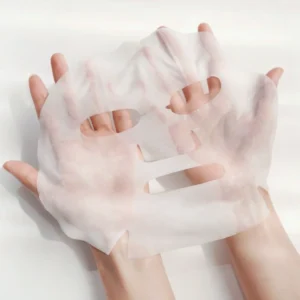
Sheet face masks are serum-soaked cotton, biocellulose, or hydrogel masks that fit closely to the face and help active ingredients work more intensively.
Showing 1–12 of 38 resultsSorted by popularity
-
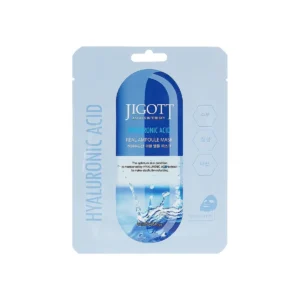
 0,99 €Add to cart This product has multiple variants. The options may be chosen on the product page
 -
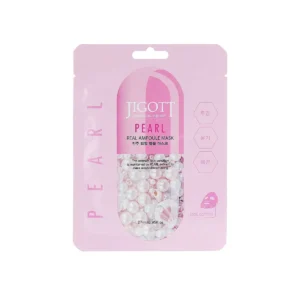
 0,99 €Add to cart This product has multiple variants. The options may be chosen on the product page
 -
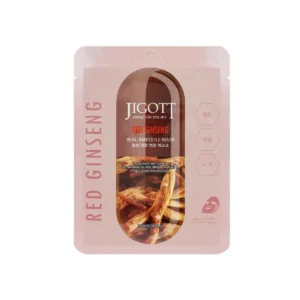
 0,99 €Add to cart This product has multiple variants. The options may be chosen on the product page
 -
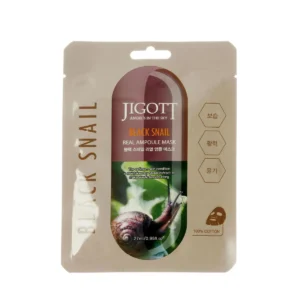
 0,99 €Add to cart This product has multiple variants. The options may be chosen on the product page
 -
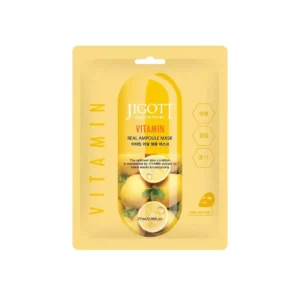
 0,99 €Add to cart This product has multiple variants. The options may be chosen on the product page
 -
Original price was: 1,19 €.0,99 €Current price is: 0,99 €.Add to cart This product has multiple variants. The options may be chosen on the product page
-
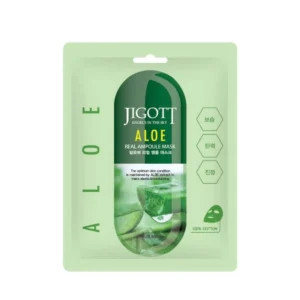
 0,99 €Add to cart This product has multiple variants. The options may be chosen on the product page
 -
Original price was: 15,99 €.14,39 €Current price is: 14,39 €.Add to cart This product has multiple variants. The options may be chosen on the product page
-
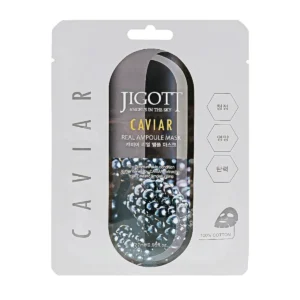
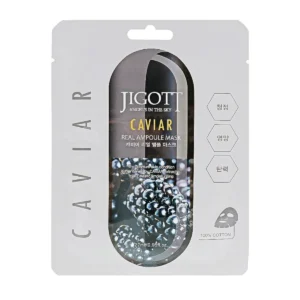 0,99 €Add to cart This product has multiple variants. The options may be chosen on the product page
 -
Original price was: 1,19 €.0,89 €Current price is: 0,89 €.Add to cart This product has multiple variants. The options may be chosen on the product page
-
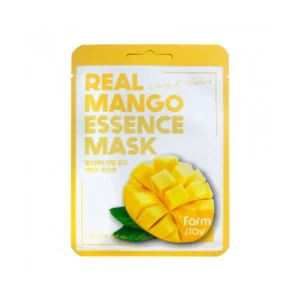
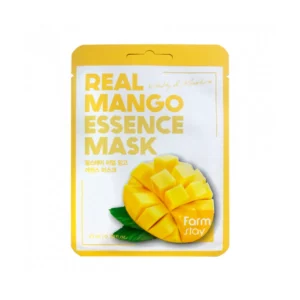 0,69 €Add to cart This product has multiple variants. The options may be chosen on the product page
 -

 3,19 €Add to cart This product has multiple variants. The options may be chosen on the product page

Showing 1–12 of 38 resultsSorted by popularity
Sheet Face Masks
Sheet face masks are valued for more than convenience: their effect depends on the serum composition, material permeability and contact with the epidermis. Hyaluronic acid, niacinamide or ceramides work differently, so the choice should be based on the skin’s condition, not only on a quick promise of hydration.
How Does the Serum Composition Change the Effect of a Sheet Mask?
The effect of a sheet mask is usually determined not by the sheet itself, but by the serum formula: the concentration of active ingredients, solvents, pH and supporting ingredients. For example, glycerin, betaine or panthenol act as humectants — they draw water into the stratum corneum, so the skin temporarily looks plumper. However, if the formula contains many fragrances or alcohol denat., more sensitive skin may react with redness, even if the mask is described as hydrating.
Dermatologists often emphasize that a sheet mask enhances the serum’s contact with the skin. This means that beneficial ingredients may work more intensively, but the likelihood of irritation also increases. Acids, retinoids or strong botanical extracts become more active under an occlusive sheet than in a regular serum. Therefore, it is worth evaluating the composition not by the promise on the packaging, but by the first components in the ingredient list and how compatible they are with the skin’s condition.
Material Permeability and Occlusion
The material of a sheet mask regulates how much serum remains on the skin surface and how quickly it evaporates. Thinner cellulose or biocellulose sheets adhere better to uneven areas, reducing air gaps and allowing the serum to maintain more even contact with the stratum corneum. Thicker nonwoven fabrics can hold more liquid, but they do not always transfer it to the skin more effectively.
Occlusion acts like a temporary “lid”: it reduces transepidermal water loss and increases moisture on the skin surface. From a dermatologist’s perspective, this can improve the action of humectants, but it can also intensify the penetration of irritating substances. For this reason, a very permeable, fast-drying mask often provides a shorter effect, while a strongly occlusive one may be too intense for sensitive skin or skin with a compromised barrier. If the sheet starts to dry on the face, it is worth removing it — otherwise it may begin drawing moisture back out of the skin surface.
When Should You Choose Hyaluronic Acid, Niacinamide or Ceramides?
Hyaluronic acid is most suitable when the skin lacks water, but not necessarily oil: it feels tight, looks dull, and quickly loses comfort after cleansing. In a sheet mask, this ingredient works quickly because occlusion helps retain moisture in the stratum corneum. Still, in very dry air, humectants alone may not be enough, so after the mask it is worth applying a cream with lipids.
Niacinamide is more useful when uneven tone, redness, increased oiliness or a weakened barrier are visible. Dermatologists value it for its ability to support ceramide synthesis and reduce inflammatory signals, but high concentrations may sting sensitive skin. Ceramides are best suited for dry, flaky skin, or skin irritated after acids or retinoids. They do not work as “quickly” as hyaluronic acid, but they help restore the lipid structure, so their effect is more related to barrier resilience than instant plumpness.
Skin Barrier Condition And Risk of Irritation
A compromised skin barrier changes the effect of a sheet mask: the same formula that gives normal skin comfort may cause burning, itching or redness. When the lipids of the stratum corneum are depleted and transepidermal water loss is increased, active ingredients and preservatives more easily reach deeper layers. Dermatologists are especially cautious about masks after exfoliation with acids, retinoid use or intensive cleansing, because occlusion can amplify the effect even of mild irritants.
For sensitive or reactive skin, safer formulas usually have a short ingredient list: without fragrances, essential oils, high amounts of alcohol or aggressive exfoliants. It is worth looking for panthenol, allantoin, beta-glucan, squalane or ceramides — these ingredients are more likely to support barrier recovery than provoke an active reaction. If the mask starts to sting strongly, you should not “endure it”: this is a signal to remove the sheet and rinse off the residue with water.
How Do Daily And Intensive Masks Differ?
Daily sheet masks are usually created as a short-term hydration and comfort step: they are dominated by glycerin, hyaluronic acid, panthenol and light polysaccharides. Such formulas should not strongly alter skin physiology, so their effect is usually seen as reduced tightness, a softer surface and temporary plumpness. Dermatologists nevertheless point out that “daily” does not automatically mean safe for everyone — frequent contact with fragrances or preservatives can build up the risk of irritation.
Intensive masks differ by a higher load of active ingredients or stronger occlusion. They may contain acids, retinoid derivatives, higher concentrations of niacinamide, peptides or brightening complexes. It is worth using such masks less often, especially if exfoliants or retinoids are already part of the routine. The practical difference is simple: a daily mask complements basic care, while an intensive one should be incorporated as an active step, taking the barrier’s condition into account.
Dermatologists’ View Of The Role Of Sheet Masks in a Routine
Dermatologists usually see sheet masks as an additional, not a foundational, skincare step. They can quickly reduce the feeling of tightness, improve serum distribution and briefly increase hydration of the stratum corneum, but they do not replace consistent cleansing, moisturizer and sun protection. In clinical practice, the most important question is not “does the mask work,” but “for which skin type and in what context is it being used.”
The smartest time to add a sheet mask is when the skin is stable: there is no active dermatitis, severe flaking or burning after other products. If the routine already includes a retinoid, AHA/BHA acids or benzoyl peroxide, a mask with additional active ingredients can become an excessive irritant. Meanwhile, a simple hydrating formula with panthenol, glycerin or ceramides can be useful as a brief restorative step after travel, dry indoor air or increased skin sensitivity.
A Sheet Mask As A Targeted, Not Random, Step
A sheet mask works best when it is chosen not by the promise on the packaging, but by the serum composition, sheet occlusion and current condition of the skin barrier. Hydrating formulas with glycerin, panthenol or hyaluronic acid can quickly reduce tightness, while ceramides and niacinamide are better suited for barrier support, but active, fragranced or strongly occlusive masks may become an irritant for sensitive skin. From a dermatologist’s perspective, it is a useful supplementary product if it is added consciously: when the skin is stable and the formula complements the routine rather than duplicating or intensifying active ingredients already in use.