Toner Pads
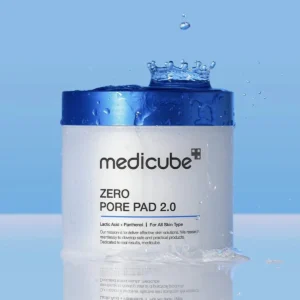
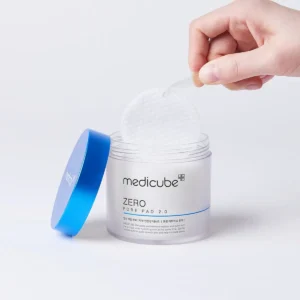
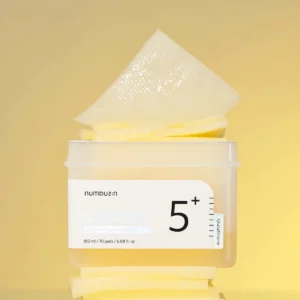
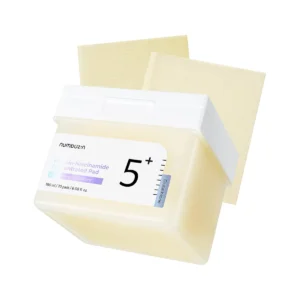
Toner pads – convenient single-use or pre-soaked pads designed for quick skin cleansing, toning, acid exfoliation, or intensive hydration without any additional products.
Showing 1–12 of 21 resultsSorted by popularity
-
Original price was: 26,89 €.18,29 €Current price is: 18,29 €.Add to cart This product has multiple variants. The options may be chosen on the product page
-
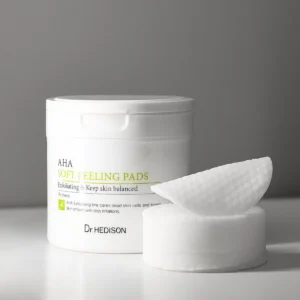
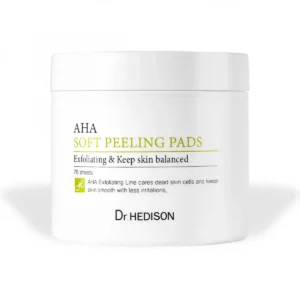 29,89 €Add to cart This product has multiple variants. The options may be chosen on the product page
 -
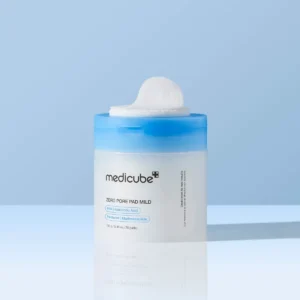
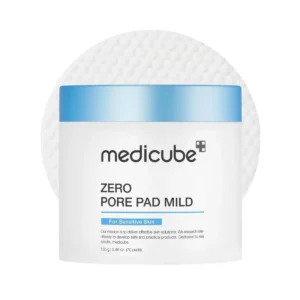 18,69 €Add to cart This product has multiple variants. The options may be chosen on the product page
 -
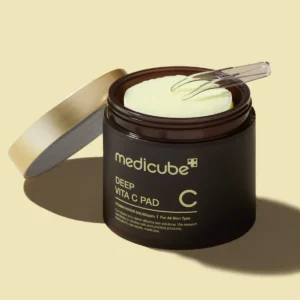
 28,89 €Add to cart This product has multiple variants. The options may be chosen on the product page
 -
Original price was: 26,49 €.16,29 €Current price is: 16,29 €.Add to cart This product has multiple variants. The options may be chosen on the product page
-
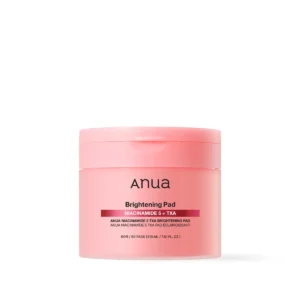
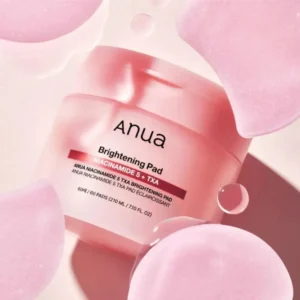 22,69 €Add to cart This product has multiple variants. The options may be chosen on the product page
 -
Original price was: 21,39 €.15,59 €Current price is: 15,59 €.Add to cart This product has multiple variants. The options may be chosen on the product page
-
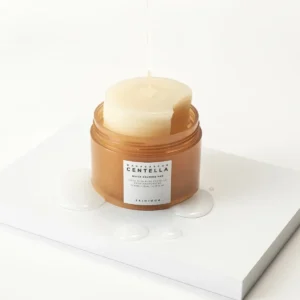
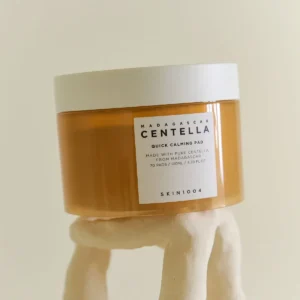 17,89 €Add to cart This product has multiple variants. The options may be chosen on the product page
 -
Original price was: 23,69 €.15,59 €Current price is: 15,59 €.Add to cart This product has multiple variants. The options may be chosen on the product page
-
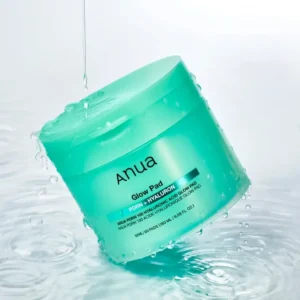
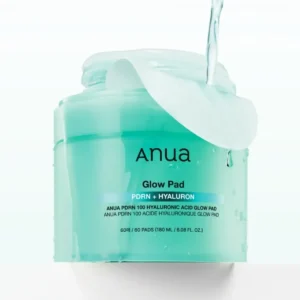 22,79 €Add to cart This product has multiple variants. The options may be chosen on the product page
 -
Original price was: 15,79 €.11,49 €Current price is: 11,49 €.Add to cart This product has multiple variants. The options may be chosen on the product page
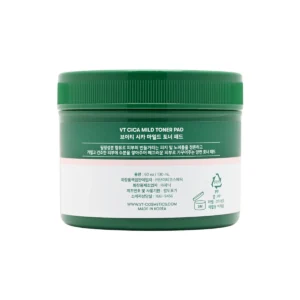
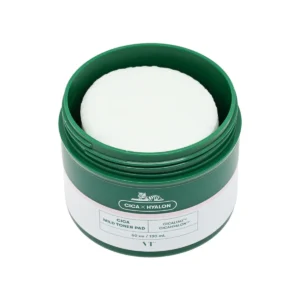
Showing 1–12 of 21 resultsSorted by popularity
Toner Pads
Toner pads work as a targeted skincare product: they create short-term occlusion, helping active ingredients remain on the skin’s surface for longer. A hydrogel, biocellulose, or nonwoven fiber base determines not only comfort, but also how evenly serums spread across sensitive areas.
How Does Occlusion Affect The Penetration Of Active Ingredients?
Occlusion acts as a temporary barrier, reducing transepidermal water loss and increasing hydration of the stratum corneum. When the stratum corneum is saturated with moisture, its lipid structure becomes more permeable, so some active ingredients can more easily reach the superficial layers of the epidermis. As a result, toner pads can enhance the effect of humectants, such as glycerin or hyaluronic acid: they remain on the skin longer and evaporate less.
Dermatologists often emphasize that occlusion is not a mechanism for “deep pushing in.” Molecular size, solubility, and the formula’s pH still determine how much of a substance will actually penetrate. Peptides or niacinamide may work more effectively due to longer contact with the skin, but strong acids or retinoids can become more aggressive under occlusion. Therefore, the effect of pads depends not only on the fabric or gel, but also on the chemistry of the serum and the condition of the skin barrier.
Differences Between Hydrogel, Biocellulose, And Nonwoven Fiber
Hydrogel pads are usually made from water-based polymers, so they adhere well, provide a cooling sensation, and release serum slowly. Because of this structure, they are suitable for the under-eye area or the cheeks when the goal is to temporarily reduce puffiness. However, hydrogel may adhere less well to oilier skin, especially if the formula contains many slip-enhancing ingredients.
Biocellulose stands out for its extremely thin fibers of bacterial origin, which create close contact with the skin’s microrelief. Cosmetic chemists value it for its high liquid absorption and even serum distribution. It often feels like a “second skin,” making it useful for more sensitive or dehydrated skin when gentle but stable occlusion is needed.
Nonwoven fiber is more economical and mechanically stronger, but its fit is usually less precise. It works well on larger areas of the face, but it may dry out more quickly if the amount of serum is low.
In Which Areas Of The Face Do Pads Provide The Greatest Benefit?
The greatest benefit of pads is usually seen where the skin is thinner, loses water more quickly, or is prone to puffiness. The under-eye area responds especially quickly: occlusion and the cooling effect of hydrogel can temporarily reduce the appearance of fluid buildup, while humectants visually soften fine dehydration lines. Dermatologists emphasize that this is not a long-term solution for fat pads or pigmentation, but for short-term smoothing of the skin’s surface, pads work effectively.
The upper cheeks and the nasolabial fold area also often receive a noticeable benefit, because facial expressions and dryness quickly make texture more visible in these areas. Biocellulose pads adhere more precisely here than thicker nonwoven fiber, so the serum is distributed more evenly. On the forehead or chin, the effect may be less pronounced, especially if the skin is oilier or the pores are prone to clogging.
Serum Composition: Humectants, Peptides, And Calming Extracts
Humectants are the most common base in pad serums because they quickly change the feel of the skin’s surface. Glycerin, betaine, panthenol, and various forms of hyaluronic acid draw water into the stratum corneum, so the skin looks smoother and feels less tight. Under occlusion, their effect is enhanced, but the formula should also contain emollients so that moisture does not evaporate as soon as the pad is removed.
Peptides work more slowly and subtly. Signal peptide complexes are often used for firmness or the care of expression lines, but cosmetic chemists emphasize the importance of concentration and stability: an attractive ingredient list does not yet guarantee biological activity. Calming extracts, such as centella, aloe, green tea, or licorice root, help reduce tightness and redness, especially when the skin is dehydrated or the barrier is compromised. For sensitive skin, it is better to choose scent-free formulas, because fragrances under a pad can irritate more strongly than in a regular serum.
When Can Toner Pads Irritate The Skin?
Toner pads are more likely to irritate when occlusion enhances not only the effects of beneficial ingredients, but also those of potentially aggressive ones. Fragrances, essential oils, high concentrations of acids, retinoids, or alcohol remain in contact with the skin longer under a pad, so they can cause stinging, redness, or a rash. Dermatologists are especially cautious about acidic pads for sensitive, rosacea-prone, or recently exfoliated skin.
The risk of irritation also increases when pads are left on longer than recommended. Drying fabric can start pulling moisture from the stratum corneum instead of replenishing it. A compromised skin barrier reacts more quickly: a sensation of heat, tightness, and small inflammatory bumps may appear. If these signs recur, it is worth choosing shorter contact time, scent-free formulas, and a simpler composition without strong blends of active ingredients.
How To Combine Pads With A Daily Skincare Routine?
It is best to use pads after gentle cleansing and, if needed, after a watery toner, but before cream or oil-based products. This allows the serum to have direct contact with the stratum corneum, while cream applied afterward helps “lock in” moisture. If the routine includes vitamin C, niacinamide, or peptides, pads can be used as a hydrating intermediate step, but several strong active ingredients should not be layered at the same time.
Acid-based, retinoid, or intensely brightening products are best separated from pad use, especially for sensitive skin. Dermatologists often recommend the rule: the stronger the active ingredient, the simpler the rest of the routine should be. In the morning, SPF is essential after pads, because hydrated skin affected by active ingredients may be more sensitive to UV rays. The optimal frequency depends on the formula: hydrating pads can be used several times a week, while active ones should be used less often.
Toner pads give the best result when their material, serum composition, and wear time match the skin’s condition: occlusion can enhance hydration and improve the contact of active ingredients with the stratum corneum, but it also increases the risk of irritation if the formula contains fragrances, acids, or retinoids. From a dermatologist’s perspective, it is safest to view them not as an intensive corrective treatment, but as a targeted step in a routine to reduce dehydration, a feeling of tightness, or temporary puffiness. Well-chosen hydrogel, biocellulose, or nonwoven fiber pads can quickly improve the appearance of the skin’s surface, but long-term comfort depends on consistent barrier care, a simple formula, and moderate combining of active ingredients.