Face Mists
Mists – lightweight facial mists with moisturizing, calming, or refreshing ingredients, designed to quickly revive the skin during the day, prepare it for makeup, or provide comfort after cleansing.
Showing all 9 resultsSorted by popularity
-
Original price was: 14,99 €.9,79 €Current price is: 9,79 €.Add to cart This product has multiple variants. The options may be chosen on the product page
-
 39,49 €Add to cart This product has multiple variants. The options may be chosen on the product page
 -
Original price was: 18,79 €.14,49 €Current price is: 14,49 €.Add to cart This product has multiple variants. The options may be chosen on the product page
-
Price range: 10,89 € through 12,99 €Select options This product has multiple variants. The options may be chosen on the product page
-

 31,69 €Add to cart This product has multiple variants. The options may be chosen on the product page
 -
Original price was: 26,09 €.15,19 €Current price is: 15,19 €.Add to cart This product has multiple variants. The options may be chosen on the product page
-
Original price was: 24,69 €.19,99 €Current price is: 19,99 €.Add to cart This product has multiple variants. The options may be chosen on the product page
-
Original price was: 19,95 €.14,29 €Current price is: 14,29 €.Add to cart This product has multiple variants. The options may be chosen on the product page
-
 14,79 €Add to cart This product has multiple variants. The options may be chosen on the product page
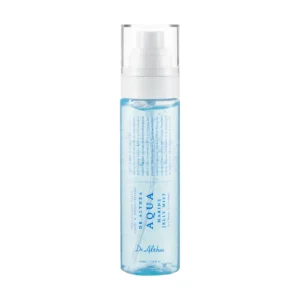
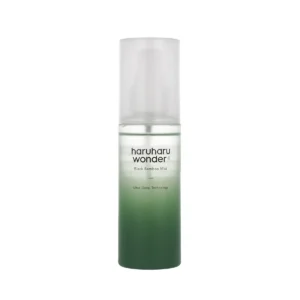
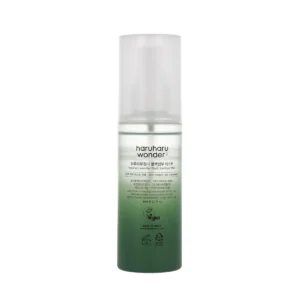
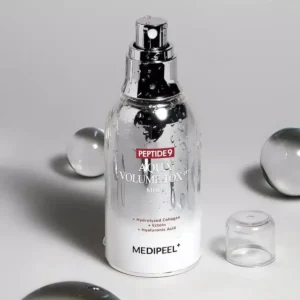
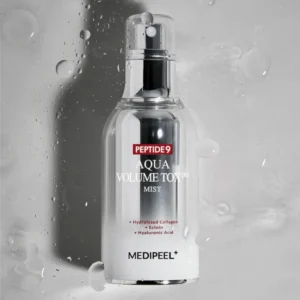
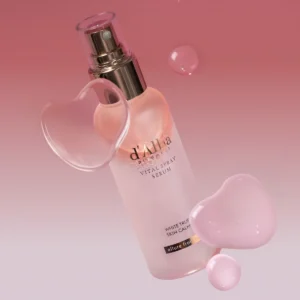
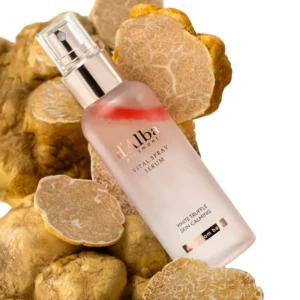
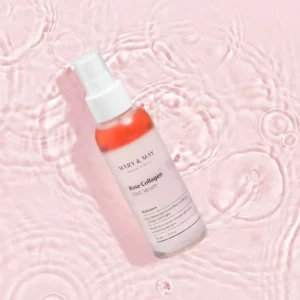
Showing all 9 resultsSorted by popularity
Face Mists
Face mists work as more than just a quick feeling of freshness. Their formula can change the moisture balance on the skin’s surface, enhance the absorption of serums or, if poorly chosen, encourage water loss. The difference lies in humectants, minerals, soothing ingredients and the moment of application.
Moisture Balance: Humectants, Occlusion And Transepidermal Water Loss
Skin moisture depends not only on how much water is supplied to it, but also on how well that water is retained. Humectants such as glycerin, hyaluronic acid, betaine or panthenol draw water into the stratum corneum. However, dermatologists emphasize: if they are not followed by lipids or occlusive ingredients, some of the moisture can evaporate quickly, especially in dry air.
Occlusion works like a protective film, reducing transepidermal water loss (TEWL). Squalane, mineral oil, dimethicone, ceramides or fatty acids are used for this purpose. A face mist with humectants can be useful when it is “locked in” with a cream; spraying only water onto the skin often provides just a brief feeling of comfort. A balanced formula should combine water attraction, barrier replenishment and evaporation control.
When Does A Face Mist Help Serums Absorb Better?
A face mist can improve the spread of a serum when the skin is lightly damp, but not wet. On this type of surface, humectants, especially hyaluronic acid and glycerin, distribute more evenly across the surface of the stratum corneum and bind water more easily. Cosmetic chemists often emphasize that damp skin temporarily becomes more permeable, so some water-soluble ingredients may work more effectively.
The type of serum is also important. Niacinamide, peptides or panthenol usually pair well with a mist because their formulas are based on the water phase. However, acids, retinoids or vitamin C may be more sensitive to pH changes and dilution, so using a mist before them is not always beneficial. The best moment is to spray after cleansing, wait a few seconds and apply serum while the skin still has a gentle layer of moisture.
Which Ingredients Soothe Irritated Skin?
For irritated skin, the most important ingredients are those that reduce the inflammatory response and help restore the barrier. Panthenol acts as a moisturizer and a component that supports regeneration, so it is often recommended after acids, retinoids or sun exposure. Allantoin softens the feeling of tightness, while beta-glucan can reduce reactivity, especially when the skin is prone to redness.
Dermatologists often highlight niacinamide, because it not only soothes but also strengthens ceramide synthesis. Even so, concentration matters for sensitive skin: 2–5% is usually better tolerated than higher amounts. Centella asiatica extract, madecassoside and green tea polyphenols are useful when irritation is accompanied by redness.
Fragrances, essential oils and high alcohol content should be approached with caution. Even if a formula seems “natural”, these components can intensify stinging when the skin barrier is already compromised.
Mineral, Thermal Or Fermented Water: How Do Their Effects Differ?
Mineral water in face mists is valued for trace elements such as zinc, selenium, magnesium or calcium. Their effect depends on concentration and the condition of the skin: zinc can be useful for oilier, inflammation-prone skin, while selenium is associated with antioxidant protection. Still, minerals are not automatically hydrating — without humectants, they more often provide a feeling of comfort than long-term water retention.
Thermal water often stands out for its more stable mineral composition and gentle effect on sensitive skin. Dermatologists frequently recommend it after procedures, when the goal is to reduce feelings of heat or tightness, but it is important not to leave the skin to dry completely without a cream.
Fermented water works differently: during fermentation, amino acids, organic acids and postbiotic compounds may form. These mists are more focused on microbiome balance and barrier support, but sensitive skin requires caution because of possible stinging.
Can A Mist Dry Out The Skin Even When It Seems Hydrating?
A face mist can paradoxically be drying if its base is almost only water. When droplets evaporate from the skin’s surface, they can “take” some water from the stratum corneum with them, especially in dry indoor air, air conditioning or heating. Dermatologists link this effect to increased transepidermal water loss: the skin looks fresher for a short time, but after a few minutes the feeling of tightness becomes stronger.
The risk increases if the formula contains a lot of denatured alcohol, fragrances or astringent extracts. For oily skin, this “dry freshness” may feel pleasant, but for a sensitive or damaged barrier it often means additional irritation.
For a mist to work as a hydration step, it should contain humectants and barrier-supporting ingredients, and after spraying it is worth applying a cream or emulsion. If the skin quickly asks for moisture again after a mist, the formula most likely does not retain water long enough.
Application Timing: Before Cream, Over Makeup Or After Cleansing
After cleansing, a face mist is most useful when it becomes a transitional step between cleanser and serum. Lightly moistened skin accepts humectants better, but waiting until the mist dries completely is not worthwhile — that is exactly when the risk of evaporation increases. Dermatologists often recommend applying serum or cream within 30–60 seconds so that water is retained by a lipid layer.
Before cream, a mist can enhance comfort, especially if the formula contains panthenol, glycerin or beta-glucan. Over makeup, it works differently: it mainly evens out the texture of powder and reduces a dry finish, but rarely provides long-lasting hydration. In this case, it is worth choosing a fine spray without much alcohol, so the makeup does not separate and sensitive skin does not experience additional irritation.
Smart Use Of A Mist
A face mist is valuable when it is not just a layer of water on the skin, but a considered hydration step: humectants attract moisture, soothing ingredients reduce reactivity, and a cream or emulsion helps reduce TEWL. From a dermatologist’s perspective, the most important things are to assess the formula, the condition of the skin and the timing of use — lightly moistened skin may accept serum better, but if left to dry without occlusion, it can become even drier. Therefore, a good mist should not only provide a feeling of freshness, but also fit into the entire routine of supporting the skin barrier.