Wash-Off Face Masks
Apply-on face masks are concentrated cream, gel, or clay-textured products that are easy to apply only where the skin needs extra care.
Showing 1–12 of 25 resultsSorted by popularity
-
Original price was: 14,39 €.11,49 €Current price is: 11,49 €.Add to cart This product has multiple variants. The options may be chosen on the product page
-
Original price was: 19,99 €.14,69 €Current price is: 14,69 €.Add to cart This product has multiple variants. The options may be chosen on the product page
-
Original price was: 15,79 €.14,19 €Current price is: 14,19 €.Add to cart This product has multiple variants. The options may be chosen on the product page
-
Price range: 7,09 € through 15,89 €Select options This product has multiple variants. The options may be chosen on the product page
-
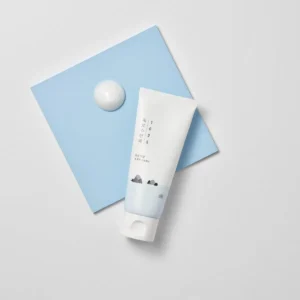
 13,59 €Add to cart This product has multiple variants. The options may be chosen on the product page
 -

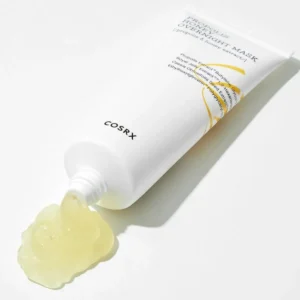 13,59 €Add to cart This product has multiple variants. The options may be chosen on the product page
 -
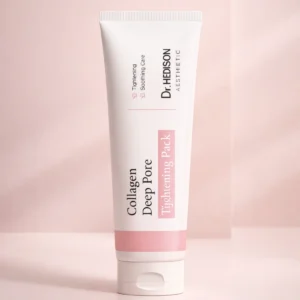
 39,49 €Add to cart This product has multiple variants. The options may be chosen on the product page
 -

 19,59 €Add to cart This product has multiple variants. The options may be chosen on the product page
 -
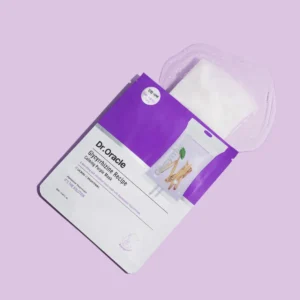
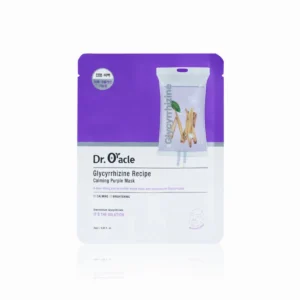 3,09 €Add to cart This product has multiple variants. The options may be chosen on the product page
 -

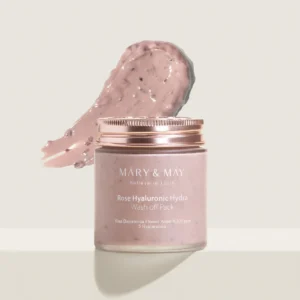 8,59 €Add to cart This product has multiple variants. The options may be chosen on the product page
 -
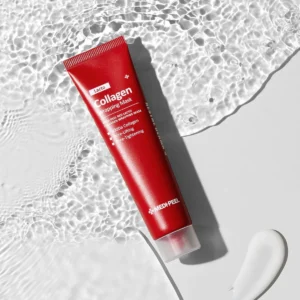
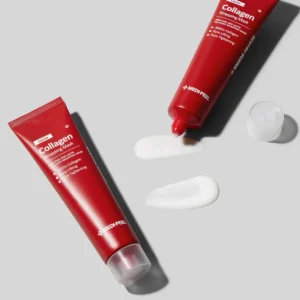 29,29 €Add to cart This product has multiple variants. The options may be chosen on the product page
 -
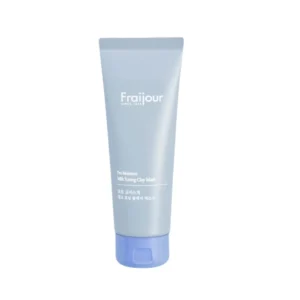 8,89 €Add to cart This product has multiple variants. The options may be chosen on the product page
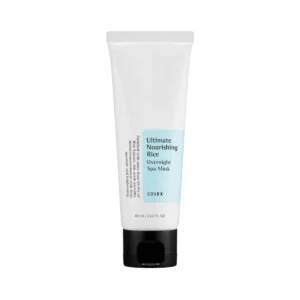

Showing 1–12 of 25 resultsSorted by popularity
Wash-Off Face Masks
Wash-off face masks work more precisely than sheet masks because the thickness of the layer, the treatment area, and the contact with the skin can be controlled. Clay, enzyme, acid, or lipid formulas affect sebum, the stratum corneum, and moisture balance in different ways, so the choice depends on the skin’s condition, not only on its type.
How Does Layer Thickness Change How A Mask Works?
The thickness of a mask layer directly affects how quickly it dries, how it contacts the skin, and how active ingredients are distributed. A thin layer loses water faster, so clay or mud formulas may begin drawing moisture not only from sebum but also from the stratum corneum. A thicker layer stays moist for longer, creates a light occlusive effect, and allows ingredients to work more evenly, but using too much does not necessarily enhance results — it often only makes rinsing harder and increases the risk of irritation.
Dermatologists often emphasize the importance of “wet contact time”: a mask should be left on while the formula is still active, but before it has fully hardened. This is especially relevant for clay masks, which are best rinsed off when the surface becomes lighter, but the skin does not yet feel tight. For hydrating or lipid-based masks, a thinner, even layer is often more effective than a thick one because it reduces product buildup in pores and makes it easier to assess the skin’s reaction.
Clay Masks And Sebum Control
Clay masks affect sebum not by “switching off” the sebaceous glands, but by adsorbing lipids from the skin’s surface. Kaolin is generally considered gentler because it absorbs excess oil more slowly, while bentonite or green clay has stronger absorption and can reduce shine in the T-zone more quickly. Cosmetic chemists emphasize the difference between temporary mattifying and long-term sebum regulation: clay can reduce surface oiliness for several hours, but gland activity is influenced more by hormones, genetics, and inflammatory processes.
For oily but dehydrated skin, a clay mask can be a double-edged sword. If the formula does not contain humectants (glycerin, betaine, aloe) or soothing ingredients, the skin may look even oilier after rinsing due to tightness and barrier stress. A practical solution is to apply clay only to oilier areas, not exceed the recommended time, and avoid letting the mask fully crack on the skin.
When Do Enzymes Work More Gently Than Acids?
Enzyme masks are often better tolerated when the skin does not respond well to low pH or reacts quickly to AHA/BHA acids. Papain, bromelain, or pumpkin enzymes break down protein bonds between dead cells in the stratum corneum, but they usually do not work as deeply as glycolic or salicylic acid. As a result, intense tingling, sudden redness, or barrier dryness is less likely.
Cosmetic chemists stress that “gentleness” depends not only on the enzyme, but also on the formula: pH, preservatives, fragrances, and contact time. Enzymes may be a better choice for sensitive, couperose-prone, or retinoid-using skin when surface smoothing is needed without strong exfoliating pressure. Still, they are not completely neutral — leaving them on too long or using them on irritated skin can cause stinging, so it is worth starting with a short interval once a week.
Hydrating And Lipid Formulas For a Damaged Barrier
A damaged skin barrier often reacts not to “too little moisture,” but to an imbalance between water retention and lipids. That is why hydrating masks with glycerin, hyaluronic acid, panthenol, or betaine can quickly reduce tightness, but without lipid support the effect is usually short-lived. Dermatologists often highlight the combination of ceramides, cholesterol, and fatty acids because it closely resembles the natural intercellular structure of the stratum corneum.
Lipid masks with squalane, shea butter, oat lipids, or linoleic acid work differently from watery gel formulas: they reduce transepidermal water loss and help the skin react less to cleansers, cold, or active ingredients. However, highly occlusive textures are not universal — for acne-prone skin, lighter emulsions are a better choice than thick balms. If the skin stings even from a simple cream, it is better to use the mask as a short restorative contact treatment rather than as an overnight layer.
How Should A Mask Be Combined With Active Ingredients In A Routine?
A mask should not duplicate the strongest active ingredients in the routine on the same day. If a retinoid, AHA/BHA acids, or benzoyl peroxide is being used, an exfoliating or clay mask may increase the irritation load too much. Dermatologists often suggest following the “one intensive step” principle: acids on one evening, a retinoid on another, and a mask when the skin has no active redness or stinging.
Hydrating and barrier-repairing masks fit into a routine more easily. After niacinamide, panthenol, or peptides, they can improve comfort, and after cleansing they help reduce water loss. Still, before applying a mask, it is best to avoid strong acid toners if the formula already contains enzymes or clay.
A practical sequence is simple: gentle cleansing, mask, rinsing or massaging in depending on the type, then serum and cream. If the skin is sensitive, it is better to test a new mask separately rather than together with a new active serum — this makes it easier to understand what caused a reaction.
The Most Common Usage Mistakes And Signs Of Skin Reactions
A common mistake is leaving a mask on longer than instructed in the hope of a stronger effect. For clay formulas, this can mean excessive water loss; for enzyme formulas, excessive disruption of the stratum corneum; and for occlusive lipid masks, a burden on the pores. Cosmetologists also note that people often apply a mask to already irritated skin after acids, retinoids, or intensive exfoliation, so the reaction is attributed to the mask even though the real cause is the total irritation load.
Warning signs are different from a normal short-term sensation. A mild feeling of warmth or tightness may be temporary, but burning, pronounced redness, swelling, itching, or small breakouts after several hours indicate that the barrier is under stress. In that case, it is better to stop active ingredients, choose a simple moisturizer, and observe whether the skin calms within 24–48 hours.
A mask works best when it is chosen according to the skin’s real condition rather than its general skin type: clay is suitable for reducing surface sebum, enzymes for gentler smoothing, and combinations of humectants and lipids for barrier repair. Layer thickness, contact time, and combining the mask with retinoids, acids, or other active ingredients often matter more than the product category itself. If the skin feels calmer, less tight, and does not become red a few hours after the mask, the formula likely fits the routine; if burning, itching, or prolonged dryness appears, it is worth reducing the frequency, shortening the time, or returning to simpler barrier-supporting care.