

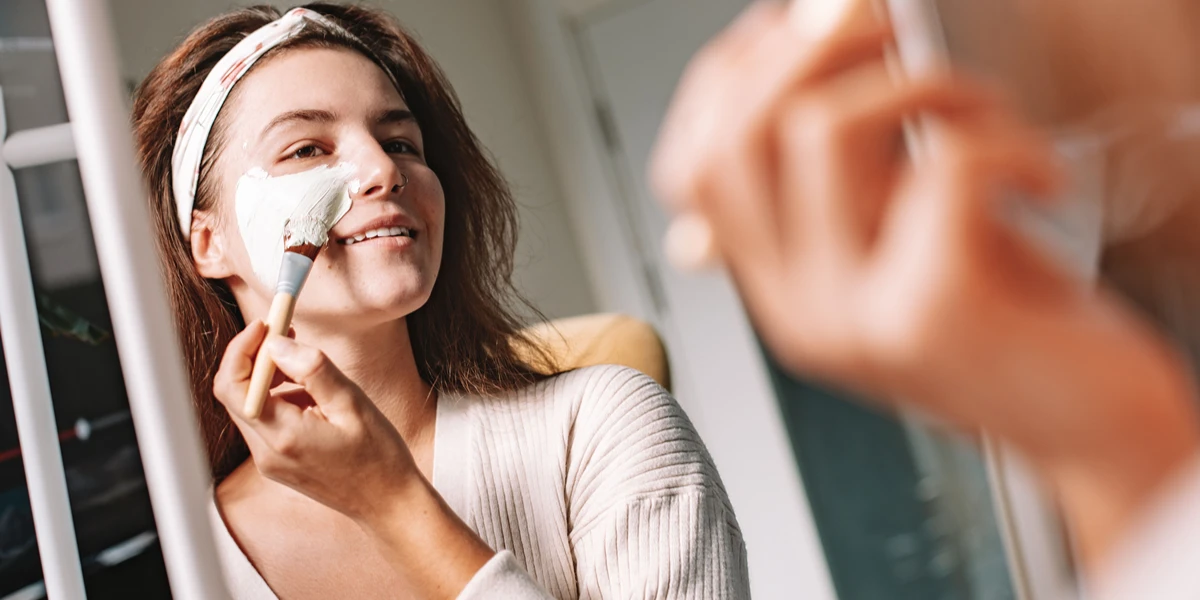
At-home skincare has come a long way from the basic cleanser, moisturizer, and weekly mask. Today, many routines include exfoliating acids, LED devices, spicule treatments, post-procedure products, concentrated serums, and barrier-repair formulas that once felt closer to a treatment room than a bathroom shelf.
With that shift, hygiene starts to carry more weight. When products are stronger and routines are more active, the small details around application start to matter. Clean hands, fresh applicators, careful storage, and knowing when irritated skin needs a break can all affect how well the skin responds. Even a well-formulated product can feel harsh if it is applied too often, layered carelessly, or used when the barrier is already stressed.
At-Home Treatments Are Becoming More Advanced
Modern skincare often borrows from professional treatments. Red light masks, exfoliating toners, overnight recovery creams, spicule-based formulas, and concentrated serums are designed to create visible change, not simply to keep skin comfortable from day to day.
That can make a routine more effective, but it also makes careless habits harder to ignore. Touching a dropper to the face, dipping fingers into a jar, reusing a damp towel, or applying actives over irritated skin can make the routine more difficult for the skin to handle.
The goal is not to make home skincare feel strict or complicated. It is to give advanced products the right conditions to work. Better habits help the skin stay calm enough to benefit from a routine, rather than constantly recovering from it.
Cleansing Should Protect the Barrier, Not Strip It
Clean skin should feel comfortable after washing, not tight or squeaky. When cleansing becomes too harsh, the skin can lose some of the oils and surface balance that help it stay calm. This matters even more when a routine includes acids, retinoids, exfoliating masks, or post-treatment products.
A gentle cleanser removes sunscreen, makeup, oil, and residue without leaving the face feeling raw. Harsh cleansing can disrupt the skin’s pH balance, which may increase the likelihood of redness, stinging, dryness, and sensitivity.
For advanced at-home treatments, cleansing is the first step that sets the tone. It prepares the skin without stripping it, giving active ingredients a better chance to work while keeping the routine easier to tolerate.
Product Handling Can Change the Way Skin Responds
A skincare formula is affected by the way it is handled. Every time a jar is opened, a dropper touches the skin, or a spatula sits unwashed on the counter, the routine becomes a little less controlled. That matters most with products used near the eyes, on active breakouts, or after exfoliation, when the skin may be more vulnerable.
Pumps and tubes can limit direct contact, but jars and droppers need more care. Hands should be clean before every application, and reusable tools should be washed and dried between uses. Towels, cleansing cloths, and facial sponges also need regular laundering or replacement, especially in humid bathrooms where damp fabric can hold residue.
Storage matters as well. Heat, steam, and direct sunlight can change how products feel and perform over time. Closing lids, wiping product buildup from openings, and keeping treatment formulas away from moisture all help protect the routine from bottle to face.
What Professional Hygiene Adds to At-Home Treatments
Professional hygiene does not need to make skincare feel clinical. Its real value lies in reducing the small mistakes that can irritate the skin. The same idea applies at home, especially when a routine includes exfoliating acids, microneedling aftercare products, LED devices, spicules, or intensive masks.
Clean tools and careful product handling matter, but restraint matters as well. Over-exfoliating, scrubbing, or layering strong products on reactive skin can weaken the skin barrier and increase the likelihood of irritation.
Professional habits create a smoother rhythm. Products are opened only when needed, applicators stay fresh, tools are cleaned before they touch the skin, and irritated areas are treated with more caution. At home, those details can make advanced routines feel calmer, more predictable, and easier for the skin to tolerate.
The Local Side of Treatment Room Hygiene
Professional hygiene has the same purpose everywhere: to make skin-contact routines cleaner, calmer, and more consistent. In a treatment room, that can mean fresh applicators, clean tools, careful product handling, and extra attention when skin is already sensitive from exfoliation, masks, devices, or other advanced treatments.
In Pennsylvania, where beauty services often move between urban salons, suburban spas, and smaller neighborhood studios, clean tools and reset workspaces help keep treatment routines consistent from one client to the next. In Michigan, colder months can make barrier-aware handling especially relevant, since skin may already feel drier or more reactive before treatment begins.
For example, Ohio gives this idea a practical regional setting, where professional beauty routines still depend on consistency, clean technique, and awareness of how treated skin can respond. Professionals reviewing Ohio cosmetology license renewal training can revisit practical hygiene topics that connect directly to treatment-room routines, including tool care, careful product handling, and skin-contact awareness.
In California, where beauty routines often blend advanced products, devices, and treatment-inspired services, hygiene becomes part of the experience clients expect, down to the small details. Wherever the routine happens, the strongest hygiene habits are the ones that make advanced skincare feel careful, consistent, and easier for the skin to tolerate.
Irritated Skin Needs a Cleaner, Simpler Routine
Skin that feels hot, tight, itchy, or unusually sensitive is already asking for less. Adding another mask, acid, serum, or device session may make the routine feel more active, but it can also make the reaction harder to calm.
This is where professional-style restraint helps. When skin looks flushed or feels uncomfortable, a cleaner routine usually means fewer steps, fewer tools, and fewer chances to create friction. A gentle cleanse, a calming moisturizer, and daytime sun protection often give the barrier more room to recover than another corrective product.
The same thinking applies after exfoliation or treatment-inspired products. Freshly treated skin does not need extra scrubbing, layered actives, or repeated touching. It needs a steady environment where it can settle, rebuild comfort, and respond without being pushed again too soon.
Better Results Start With Better Habits
Advanced skincare works best when the skin has the right conditions to respond. Clean hands, fresh applicators, closed product lids, washed tools, and patient product testing all help show whether a formula is helping or overwhelming the skin.
Small habits can make the whole routine feel steadier. Letting products dry before layering, keeping devices clean, replacing damp towels, and avoiding repeated contact with irritated areas all reduce unnecessary stress on the skin.
The most effective at-home treatments are the ones the skin can tolerate consistently. When hygiene, barrier care, and product choice work together, the routine feels less reactive and more reliable, which is where better skin results usually begin.