

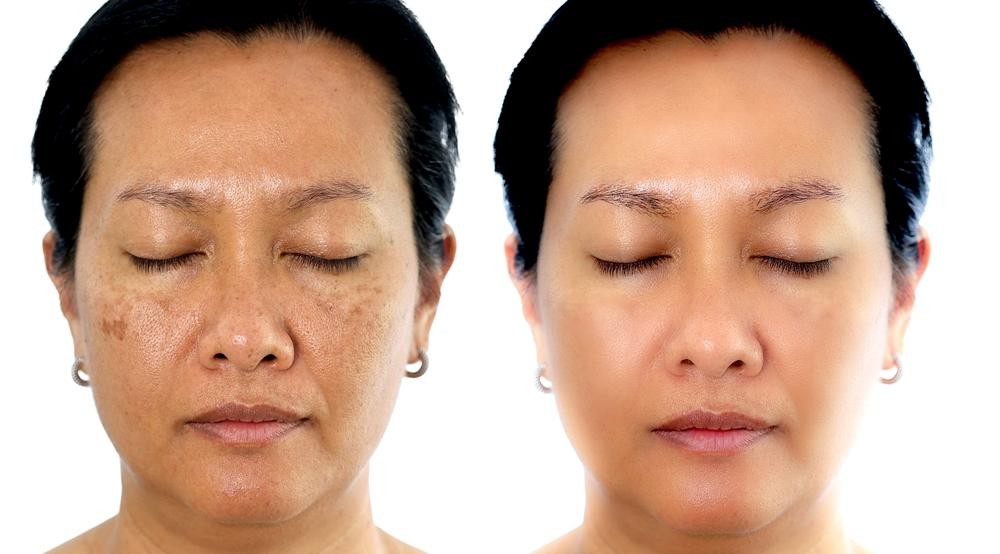
Most “best dark spot remover” lists rank on buzz and awards. This one compares ten premium products ($80 and up) on what matters for fading pigment without making things worse: how many pigment pathways a formula targets, what proof exists, which skin tones and types it suits, how likely it is to irritate, and what it costs per milliliter.
Tolerance carries real weight in this guide for a reason. Irritation can leave new marks behind, which is why a dark spot remover that is strong on paper can still backfire on reactive skin. The American Academy of Dermatology warns that irritation can darken spots, so a gentler formula can outperform a stronger one on the skin it was made for. That is the lens behind our top pick.
Your Dark Spot Remover Picks at a Glance
- Our top pick: Sonya Dakar Fade Away, a cream with no exfoliating acid, retinoid, or hydroquinone, made for dry, combination, and sensitive skin. It is also the most expensive per mL here.
- Best for published evidence: Caudalie Vinoperfect Brightening Dark Spot Serum, backed by a study of 65 volunteers.
- Best for stubborn sun spots: SkinCeuticals Discoloration Defense, the only pick that discloses every active percentage.
- Best value among premium picks: SkinMedica Lytera 2.0, with the largest bottle in the set at about 59 mL.
- Best for sun damage plus texture: Murad Rapid Dark Spot Correcting Serum.
- Best luxury serum: Alastin A-Luminate Brightening Serum.
- Best for post-inflammatory marks: skinbetter science Even Tone Correcting Serum.
- Every pick is marketed as hydroquinone-free, and none works without daily sunscreen.
The Best Dark Spot Removers at a Glance
| Rank | Product | Best for | Main actives | Price | Price per mL |
| 1 | Sonya Dakar Fade Away | Our top pick: dry, combination, and sensitive skin | Vitamin C ester, diacetyl boldine, peptides | $195 / 1 oz | $6.59 |
| 2 | Caudalie Vinoperfect Brightening Dark Spot Serum | Strongest published evidence | Viniferine, olive squalene, bisabolol | $82 / 30 mL | $2.73 |
| 3 | SkinCeuticals Discoloration Defense | Stubborn sun spots | 3% tranexamic acid, 1% kojic acid, 5% niacinamide | $115 / 30 mL | $3.83 |
| 4 | SkinMedica Lytera 2.0 | Best value among premium picks | Tranexamic acid, phenylethyl resorcinol, niacinamide | $160 / 2 oz | $2.71 |
| 5 | Murad Rapid Dark Spot Correcting Serum | Sun damage plus texture | 4-ethylresorcinol, tranexamic acid, glycolic acid | $88 / 30 mL | $2.93 |
| 6 | Alastin A-Luminate Brightening Serum | Luxury brightening | Tranexamic acid, niacinamide, milk thistle | $182 / 1.7 oz | $3.64 |
| 7 | skinbetter science Even Tone Correcting Serum | Post-inflammatory marks | Hexylresorcinol, alpha-arbutin, kakadu plum | $165 / 1.7 oz | $3.30 |
| 8 | ZO Skin Health Brightalive | Lightweight brightening | Tranexamic acid, niacinamide, licorice derivative | $158 / 50 mL | $3.16 |
| 9 | PCA Skin Pigment Gel HQ Free | Oily skin spot treatment | Lactic, azelaic, and kojic acids | $98 / 1 oz | $3.31 |
| 10 | Allies of Skin Mandelic Pigmentation Corrector Night Serum | Night treatment for tone and texture | 11% mandelic acid, niacinamide | $105 / 1 fl oz | $3.55 |
Prices are brand or major retailer list prices and can vary by retailer.
How We Chose and Ranked These Dark Spot Removers
We looked at five things for each product and ordered the list by how well each one fit.
- Formula depth. How many distinct pigment pathways the formula targets, and how fully the active percentages are disclosed.
- Published or brand studies with participant counts, durations, and skin tone ranges. Where a product page shows no study or no active percentages, we say so, and where a company reports its own results, we label them as brand-reported.
- Skin tone and type fit. Documented suitability across skin tones and for sensitive, dry, oily, and combination skin.
- Irritation risk from exfoliating acids, alcohol, fragrance, or strong actives in a leave-on.
- Price per mL. Cost per milliliter at the full size.
We also checked two 2026 roundups for context, from Marie Claire (updated July 2026) and Yahoo Shopping (April 2026).
We put Fade Away first because tolerance is the lens of this guide and Fade Away is built around it. We are not claiming it leads on evidence or value. On published proof, Caudalie is stronger. On disclosed formula, SkinCeuticals is stronger. On price per mL, Lytera and Caudalie are well ahead. If those matter most to you, start with them.
What Causes Dark Spots and Uneven Skin Tone
UV rays push melanocytes to make more pigment, which is how sun spots and age spots form. Cell turnover also slows with age, so pigmented surface cells stay put longer.
Post-inflammatory hyperpigmentation shows up after skin inflammation heals. Acne, eczema, and picking are common triggers, and dermatologists interviewed by CNN Underscored say it is more common in darker skin tones.
Melasma is a different problem. Hormones, sunlight, and visible light drive it, and no over-the-counter product cures it. If you suspect melasma, treat any product here as one part of a plan guided by a dermatologist.
Our Picks: The Best Dark Spot Removers of 2026
1. Sonya Dakar Fade Away: Our Top Pick for Dry and Sensitive Skin
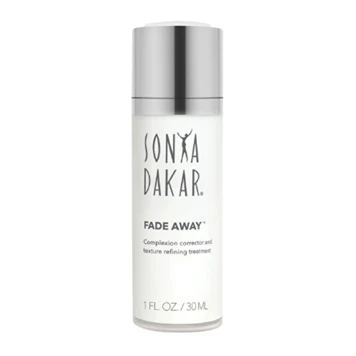
Price: 6.59 per mL) Key ingredients: Tetrahexyldecyl ascorbate (a stable vitamin C ester), diacetyl boldine, daisy flower extract, rumex occidentalis extract, rH-polypeptide-7, lavender oil Best for: Dry, normal, combination, and sensitive skin
Fade Away is a brightening cream, not an acid serum. Its pigment work comes from a stable, oil-soluble vitamin C ester and diacetyl boldine, a brightener studied for calming pigment production. A 2023 paper in Pharmaceutics cites clinical work in which 4% diacetyl boldine inhibited melanin production. Daisy flower and rumex occidentalis extracts add brightening support.
Why we ranked it first: SONYA DAKAR names sun exposure, aging, hormonal activity, and past acne lesions as the discoloration it targets, which covers the main causes in this guide. It contains no exfoliating acid, retinoid, or hydroquinone, so it layers easily and is less likely to cause the irritation that creates new marks. You can dot it on single spots or use it over the whole face, morning and night, and the brand states it suits all skin tones. It holds 4.7 stars across 32 reviews, with 94% of reviewers saying they would recommend it.
Who should pick something else: If you want the strongest published evidence, choose Caudalie. If you want a disclosed, multi-pathway formula for stubborn sun spots, choose SkinCeuticals. If price per mL matters most, choose Lytera or Caudalie. The brand reports results in as little as 14 days with consistent use, which is a brand claim, not a published study.
Keep in mind: It has the highest price per mL in this guide, a small review base, no published study of the finished product, and undisclosed active percentages. It contains lavender oil, so fragrance-reactive skin should patch test first. Melasma and hormonal pigmentation usually need a dermatologist alongside any skincare product.
2. Caudalie Vinoperfect Brightening Dark Spot Serum: Best for Published Evidence
Price: 2.73 per mL) Key ingredients: Viniferine (a patented ingredient from vine sap), olive squalene, bisabolol Best for: All skin types, including darker skin tones
Caudalie’s serum has the strongest study profile in this guide. It cites a study of 65 volunteers measured over 56 days, with a separate one-week readout. The brand reports a 63% reduction in dark spots after one bottle, 81% on darker skin tones, and a 25% visible reduction in pigmentation after one week. Those figures are brand-reported. The formula is vegan and non-comedogenic, and Marie Claire named it its “Best Vitamin C Alternative.”
Keep in mind: It relies on one hero active, so it has less formula depth than multi-active formulas. The “62 times more effective than vitamin C” line is a brand comparison, not an independent finding.
3. SkinCeuticals Discoloration Defense: Best for Stubborn Sun Spots
Price: 3.83 per mL) Key ingredients: 3% tranexamic acid, 1% kojic acid, 5% niacinamide, 5% HEPES Best for: Sun damage and stubborn dark spots on oily or combination skin
Discoloration Defense is the only product here that publishes every active percentage, which makes it easy to compare with concentrations used in research. It works on three pathways: tranexamic acid calms pigment signaling, kojic acid inhibits tyrosinase, and niacinamide limits melanin transfer. The brand reports a more even tone in as little as two weeks. Marie Claire labeled it “Best for Melasma,” though true melasma still calls for a dermatologist.
Keep in mind: Kojic acid can irritate sensitive skin, and it is one of the pricier serums per mL.
4. SkinMedica Lytera 2.0 Pigment Correcting Serum: Best Value Among the Premium Picks
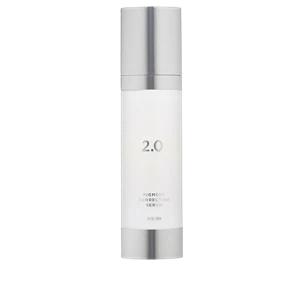
Price: 2.71 per mL) Key ingredients: Tranexamic acid, phenylethyl resorcinol, niacinamide, tetrapeptide-30, a marine extract blend, phytic acid Best for: Stubborn discoloration on most skin tones
Lytera 2.0 is the largest bottle in this guide, which gives it the lowest price per mL even at a premium sticker price. The brand says it lasts 8 to 10 weeks with twice-daily use and reports improvement as early as two weeks, with stronger results at 12 weeks. It says the formula was tested across all skin tones.
Keep in mind: The brand does not disclose participant numbers or active percentages.
5. Murad Rapid Dark Spot Correcting Serum: Best for Sun Damage Plus Texture
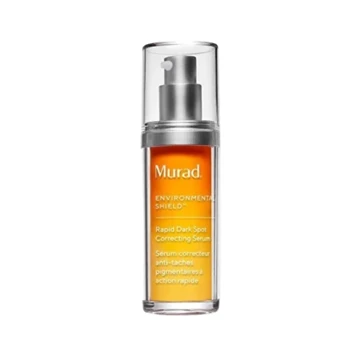
Price: 2.93 per mL) Key ingredients: 4-ethylresorcinol, tranexamic acid, glycolic acid, hexapeptide-2 Best for: Sun damage with rough, dull texture
Murad’s serum pairs pigment inhibitors with glycolic acid, so it suits discoloration that comes with uneven texture. Murad discloses a four-week study of 35 participants across Fitzpatrick skin types 2 to 6, and the serum had a 4.8 out of 5 rating from 635 reviews when we checked, the deepest review base in this guide.
Keep in mind: The study used a Murad regimen, not the serum alone. Glycolic acid raises sun sensitivity and is a poor match for reactive skin.
6. Alastin A-Luminate Brightening Serum: Best Luxury Serum
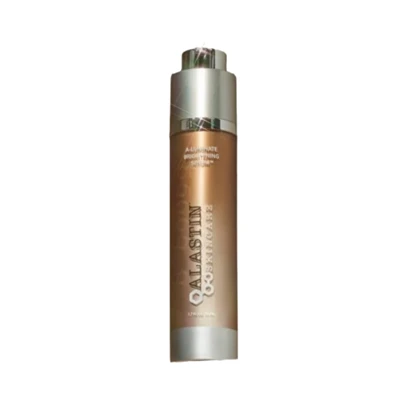
Price: 3.64 per mL; some retailers list $198) Key ingredients: Tranexamic acid, niacinamide, milk thistle extract, ashwagandha root extract, ascorbyl palmitate Best for: Surface pigmentation on most skin types
Alastin’s serum was the top pick in Yahoo Shopping’s April 2026 dark spot roundup and earned its Best Tested badge. It is free of hydroquinone and retinol and is marketed for all skin types, including sensitive skin.
Keep in mind: The product page shows no study with participant numbers, and it contains botanical extracts without a fragrance-free claim.
7. skinbetter science Even Tone Correcting Serum: Best for Post-Inflammatory Marks
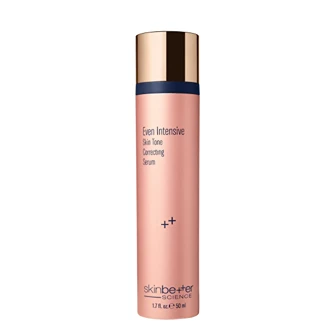
Price: 3.30 per mL) Key ingredients: Hexylresorcinol, diglucosyl gallic acid, alpha-arbutin, kakadu plum extract, acetyl glycyl beta-alanine Best for: Marks left after breakouts or irritation
skinbetter’s serum was Marie Claire’s “Best for Inflammation,” which fits readers dealing with post-acne marks. It comes in a generous 50 mL size and uses several non-hydroquinone brighteners.
Keep in mind: No participant data appears on the product page, and one retailer lists it as sold out, so check availability.
8. ZO Skin Health Brightalive Skin Brightener: Best Lightweight Brightener
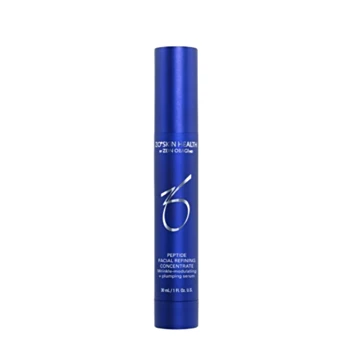
Price: 3.16 per mL; retailer prices vary) Key ingredients: Tranexamic acid, niacinamide, a licorice derivative, aminopropyl ascorbyl phosphate, papain, a peptide complex Best for: Mild discoloration and dullness on calm skin
Brightalive is positioned as a gentle, hydroquinone-free and retinol-free brightener with lightweight hydration, in a 50 mL size.
Keep in mind: The brand describes it as clinically proven, but the product page shows no study. It contains fragrance.
9. PCA Skin Pigment Gel HQ Free: Best Spot Treatment for Oily Skin
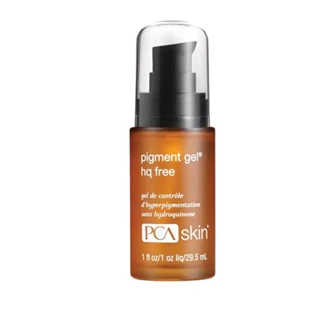
Price: 3.31 per mL) Key ingredients: Lactic acid, azelaic acid, kojic acid, glutathione, phenylethyl resorcinol Best for: Targeted spot treatment on oily skin
PCA’s gel was Marie Claire’s “Best for Oily Skin.” It is fragrance-free and designed for people who cannot use hydroquinone. You apply a thin layer to spots after cleansing.
Keep in mind: Alcohol denat. and witch hazel in a leave-on, plus several exfoliating or tyrosinase-active acids, make it a poor match for sensitive skin. No study is listed.
10. Allies of Skin Mandelic Pigmentation Corrector Night Serum: Best Night Treatment for Tone and Texture
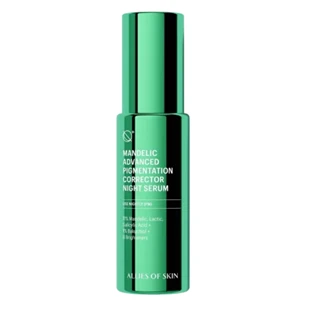
Price: 3.55 per mL) Key ingredients: 11% mandelic acid, niacinamide, diglucosyl gallic acid, licorice root extract, allantoin Best for: Post-acne marks, pores, and uneven tone at night
This night serum discloses its 11% mandelic acid and pairs it with niacinamide and licorice for brightening.
Keep in mind: An exfoliating acid at night raises sun sensitivity. The page says key ingredients are clinically tested but shows no study of the finished product.
Best Dark Spot Removers Without Hydroquinone
Hydroquinone has long been called the gold standard for dark spots, but it is no longer sold over the counter in the US. Since the CARES Act took effect on September 23, 2020, over-the-counter skin-lightening products with hydroquinone need FDA approval, and the FDA says none are approved. The agency has also received reports of rashes, swelling, and permanent discoloration called ochronosis.
Every pick here is marketed as hydroquinone-free. For at-home treatment, tranexamic acid, azelaic acid, kojic acid, and niacinamide have the strongest support among the alternatives. A 2024 melasma review recommends tyrosinase inhibitors combined with niacinamide or retinoids, and a board certified dermatologist can still prescribe hydroquinone for short courses.
Active Ingredients in Dark Spot Removers, by Class
Tyrosinase is the enzyme that makes melanin, so many correctors start there. Each class below interrupts pigmentation at a different stage.
Tranexamic Acid
Tranexamic acid lowers the signals that tell melanocytes to make pigment and calms inflammation. It is one of the best-tolerated actives on this list.
Niacinamide
Niacinamide stops melanosomes from moving from pigment cells into surrounding skin cells. It is usually used at 4% to 5% in pigment research.
Kojic Acid, Alpha-Arbutin, and Resorcinols
These inhibit tyrosinase directly. Kojic acid can irritate sensitive skin, alpha-arbutin is gentler but weaker, and newer options such as phenylethyl resorcinol and diacetyl boldine are still being studied.
Vitamin C and Its Stable Forms
Vitamin C interferes with tyrosinase and neutralizes free radicals from UV damage. Pure L-ascorbic acid is unstable, so many formulas use stable forms such as tetrahexyldecyl ascorbate.
Exfoliating Acids and Retinoids
Glycolic, lactic, azelaic, and mandelic acids help shed pigmented surface cells, and retinoids speed up cell turnover. All of them increase sun sensitivity and can irritate reactive skin.
How to Choose a Dark Spot Remover for Your Skin
Sun spots and age spots. Start with a multi-pathway serum such as SkinCeuticals or Lytera, and expect 8 to 12 weeks.
Post-acne marks. Look for azelaic acid, niacinamide, or a formula built for inflammation, such as skinbetter.
Dry or sensitive skin. Choose formulas without exfoliating acids or alcohol and introduce them slowly. A cream such as Fade Away or a calm serum such as Caudalie is easier to layer than an acid treatment.
Deeper skin tones. Look for brands that report testing across Fitzpatrick types IV to VI, avoid aggressive acids that can irritate and darken skin, and pair any corrector with a tinted mineral sunscreen.
Oily skin. A gel or serum, or a targeted spot treatment such as PCA, keeps the finish light.
How to Use a Dark Spot Remover
Patch test every new product on your inner arm or jawline for a few days. Apply it to clean skin, use one strong active at a time, and save retinoids and exfoliating acids for night. Treating spots aggressively tends to backfire, leaving skin red and more prone to new marks.
Expect visible results in 4 to 8 weeks of consistent use. The AAD says a spot a few shades darker than your skin tone usually fades within 6 to 12 months, and deeper pigmentation can take longer. Stopping when spots lighten often lets them return.
Sun Protection for an Even Skin Tone
UV exposure stimulates pigment and can undo the progress of any corrector. The AAD recommends a broad-spectrum sunscreen of SPF 30 or higher, and notes that visible light can darken spots, particularly on darker skin tones. A tinted mineral sunscreen with iron oxides protects against visible light. Reapply every two hours outdoors and add a wide-brimmed hat.
FAQ: Best Dark Spot Remover Questions
What is the best dark spot remover?
It depends on the cause and your skin. Our top pick for dry and sensitive skin is Sonya Dakar Fade Away, which is our own product. Caudalie Vinoperfect has the strongest published evidence, and SkinCeuticals Discoloration Defense has the best-disclosed formula for stubborn sun spots.
How long does a dark spot remover take to work?
Most take 4 to 12 weeks of consistent use, and older spots take longer. Brand claims of results in two weeks usually describe a brighter look, not full fading.
Are dark spot removers safe for sensitive skin?
Often, if you choose a formula without strong exfoliating acids or alcohol, start every other day, and patch test first. Irritation can leave new marks, which is why tolerance carries weight in this ranking.
Do dark spot removers contain hydroquinone?
Not the ones here. No over-the-counter skin-lightening products with hydroquinone are approved in the US, and a board certified dermatologist can prescribe it for short courses.
Can a dark spot remover work on deeper skin tones?
Yes, but look for brands that report testing across Fitzpatrick types IV to VI and avoid aggressive acids that can irritate and darken skin. Always pair a corrector with sunscreen.
Do I still need sunscreen with a dark spot remover?
Yes. UV and visible light can darken spots and undo progress. Use a broad-spectrum SPF 30 or higher every day.
When should I see a board certified dermatologist?
See one if a spot changes shape, size, or color, if patches cover large areas of the face, or if three months of consistent use and sun protection have not helped. Melasma often needs prescription care.
Match the product to the cause and to your skin. Fade Away is our top pick for dry and sensitive skin that cannot handle exfoliating acids, with the caveats that it costs the most per mL and has no published study of its own. Caudalie Vinoperfect has the strongest evidence, SkinCeuticals Discoloration Defense is the strongest choice for stubborn sun spots, and Lytera 2.0 offers the best price per mL among the premium picks. Whichever you choose, wear SPF 30 or higher every day and give it at least eight weeks.