

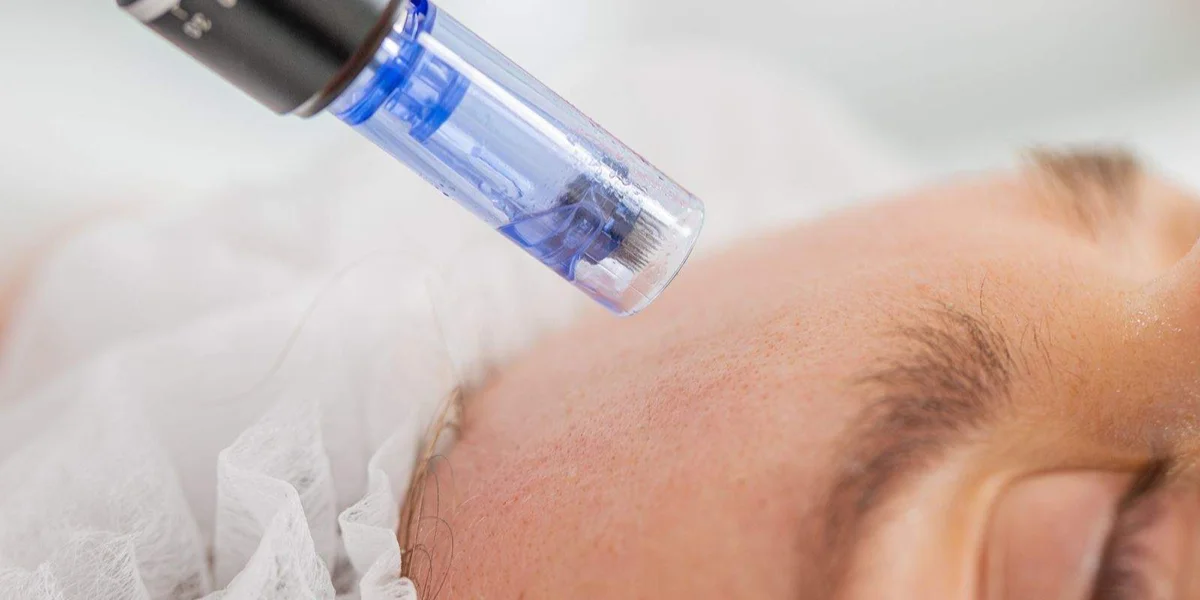
When the needles stop, the treatment continues on your skin. The next step is to either improve or compromise the outcomes. A disciplined routine becomes crucial after microneedling. With products like Calecim Professional, the emphasis turns to using gentle, scientifically supported care to reduce irritation, restore the skin barrier, and promote healthy regeneration.
What Is the Best Post-Treatment Skincare Routine After Microneedling?
The ideal routine after microneedling is simple: cleanse gently, hydrate deeply, and support skin repair while avoiding irritation. For the first few days, skip active ingredients such as retinoids, exfoliating acids, and vitamin C. Instead, use soothing formulations that help reinforce the skin barrier and promote recovery.
Dermatology guidance consistently emphasizes barrier repair and hydration as the foundation of post-procedure care, particularly during the first 24 to 72 hours when the skin is most vulnerable.
Understanding the Concern
Microneedling works by creating controlled micro-injuries in the skin. While the procedure stimulates collagen production, it also temporarily disrupts the skin barrier.
According to the American Academy of Dermatology, microneedling can improve scars, wrinkles, and uneven texture by triggering collagen synthesis through the skin’s natural healing response.
During the recovery phase, you may notice:
- Redness similar to a mild sunburn
- Tightness or dryness
- Increased sensitivity
These effects are expected and signal that the skin is actively repairing itself. However, this phase is also when the skin is more permeable, meaning both beneficial and irritating ingredients can penetrate more easily.
The Science Made Simple
Microneedling is often referred to as collagen induction therapy because it activates a cascade of biological responses:
- Microchannels stimulate wound healing pathways
- Growth factors are released to repair tissue
- Collagen and elastin production increase over time
A review by Research Medical Engineering explains that microneedling promotes collagen remodeling with minimal side effects.
Another study in Cosmetics (MDPI) highlights that microneedling enhances transdermal delivery, allowing topical ingredients to penetrate more effectively
This evidence explains why post-treatment skincare matters so much. The products you apply during this window can directly influence healing outcomes.
Advanced Skincare Approach
Modern post-procedure care is moving beyond basic moisturizers toward regenerative skincare. This includes formulations containing growth factors and exosomes.
Exosomes are small extracellular vesicles involved in cell-to-cell communication. In skincare, they are being studied for their ability to support tissue repair and reduce inflammation. Early research suggests they may help regulate healing pathways, although large-scale clinical data is still evolving.
This stage is where professional-grade formulations like Calecim Professional Serum are often introduced in clinical settings. Rather than acting as a simple hydrator, these products are designed to complement the skin’s natural repair mechanisms during its most receptive phase.
What Is PTT-6 Technology?
PTT-6 is a proprietary blend of bioactive proteins found in Calecim Professional formulations. It includes growth factors, cytokines, and exosomes that are known to play roles in skin regeneration.
In practical terms, these components help:
- Signal skin cells to repair and renew
- Support collagen synthesis
- Reduce visible inflammation
Research on growth factors in dermatology shows their importance in wound healing and tissue regeneration, particularly after procedures that stimulate controlled injury
When applied after microneedling, these signaling molecules may enhance the skin’s natural recovery process.
Key Benefits
A well-structured post-microneedling routine offers measurable advantages for both short-term recovery and long-term results.
- Faster visible recovery: Hydrating and calming ingredients may help reduce redness and discomfort
- Stronger skin barrier: Supporting barrier repair can minimize water loss and sensitivity
- Improved treatment outcomes: Proper aftercare may support collagen remodeling over time
- Lower risk of irritation: Avoiding harsh actives reduces the likelihood of post-inflammatory reactions
These benefits are cumulative, meaning consistent aftercare across sessions leads to more noticeable improvements over time.
In each case, the goal remains the same: support healing while optimizing results.
FAQs
What should I avoid after microneedling?
Avoid retinoids, exfoliating acids, and strong active ingredients for several days. These can irritate freshly treated skin and interfere with healing.
When can I wash my face after microneedling?
Timing varies according to the provider’s instructions and the depth of treatment. Many clinicians advise patients to wait for up to 24 hours before gently cleansing.
Are exosome skincare products effective when used after microneedling?
Exosomes are being studied for their role in skin repair and inflammation control. Early findings are promising, but more large-scale clinical studies are needed.
Can I use stem cell or growth factor products immediately after treatment?
Some formulations are specifically designed for post-procedure use. Products like Calecim Professional are often used in clinical settings because they focus on supporting the skin’s repair signals.
How long does redness last?
Redness typically subsides within 24 to 72 hours, depending on skin sensitivity and treatment depth.
When will I see results?
Many people notice smoother, brighter skin within a week, but collagen remodeling continues for several weeks. Multiple sessions are usually required for optimal results.
Conclusion
Microneedling does not end when the procedure is over. The real transformation happens during the healing phase, when your skin is actively rebuilding itself.
A thoughtful post-treatment routine centered on gentle care, hydration, and regenerative support can significantly influence your results. Whether you choose a minimalist barrier-repair approach or incorporate advanced options like exosome skincare and growth factor formulations such as Calecim Professional, the objective is the same: help your skin recover efficiently and renew itself from within.