The best dark spot removers of 2026 for sun spots, post-acne marks, and uneven tone, with price per mL and who each dark spot corrector suits.
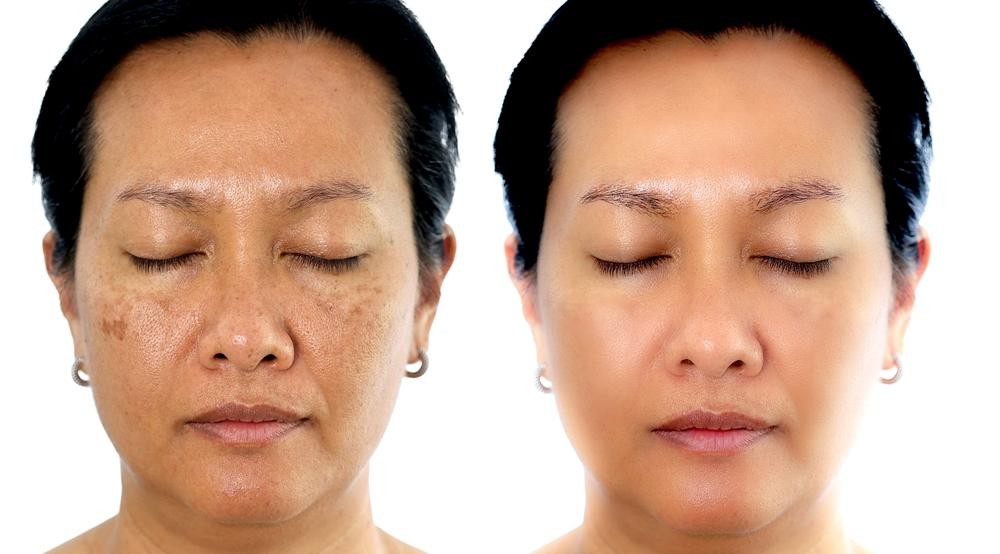


The best dark spot removers of 2026 for sun spots, post-acne marks, and uneven tone, with price per mL and who each dark spot corrector suits.

At-home skincare has come a long way from the basic cleanser, moisturizer, and weekly mask. Today, many routines include exfoliating acids, LED devices, spicule treatments, post-procedure products, concentrated serums, and barrier-repair formulas that once felt closer to a treatment room than a bathroom shelf.

Facial plastic surgery is a significant step toward achieving your aesthetic goals, but the journey to the best results begins long before the actual procedure and continues well after. Your skincare routine, both before and after surgery, plays a crucial role in not only preparing your skin but also supporting optimal healing and maintaining lasting improvements.
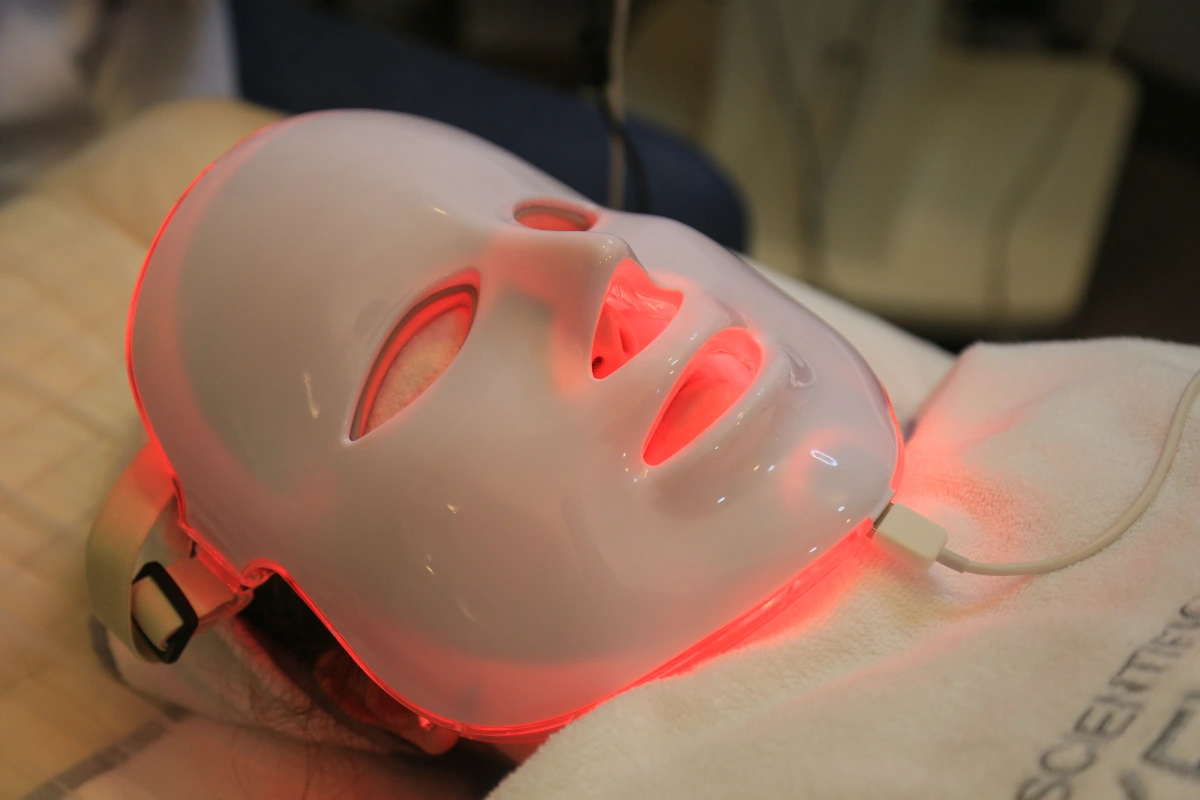
Face masks differ from panels in that the light is delivered very close to the skin through a fixed LED array. The result depends not only on 630–660 nm wavelengths, but also on diode density, how well the mask fits, dose consistency, eye protection, and whether the light reaches the cheeks, forehead, and jawline evenly.
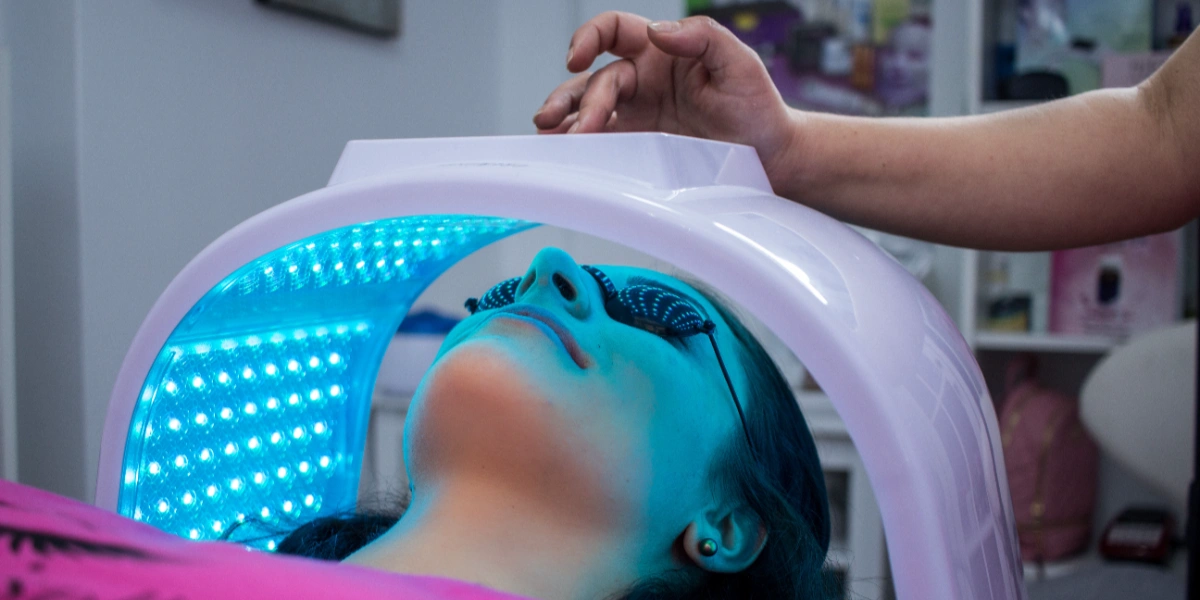
Blue light therapy acts not on the skin’s surface appearance, but on specific biological processes: bacterial activity, sebaceous gland responses, and inflammatory signals. In dermatology, it is valued for its targeted effect on acne, but results depend on wavelength, treatment frequency, and the condition of the skin.

A red light therapy lamp is not just an LED source with a red hue. The difference is determined by wavelengths, the irradiance value, the beam angle, the panel size, and the actual dose at the skin surface. These are precisely the parameters that distinguish a targeted photobiomodulation tool from a weak household device.